

Vayk Winery Journal
The Roots of Vayk Winery
Our family’s journey into winemaking began with a patch of old vines.
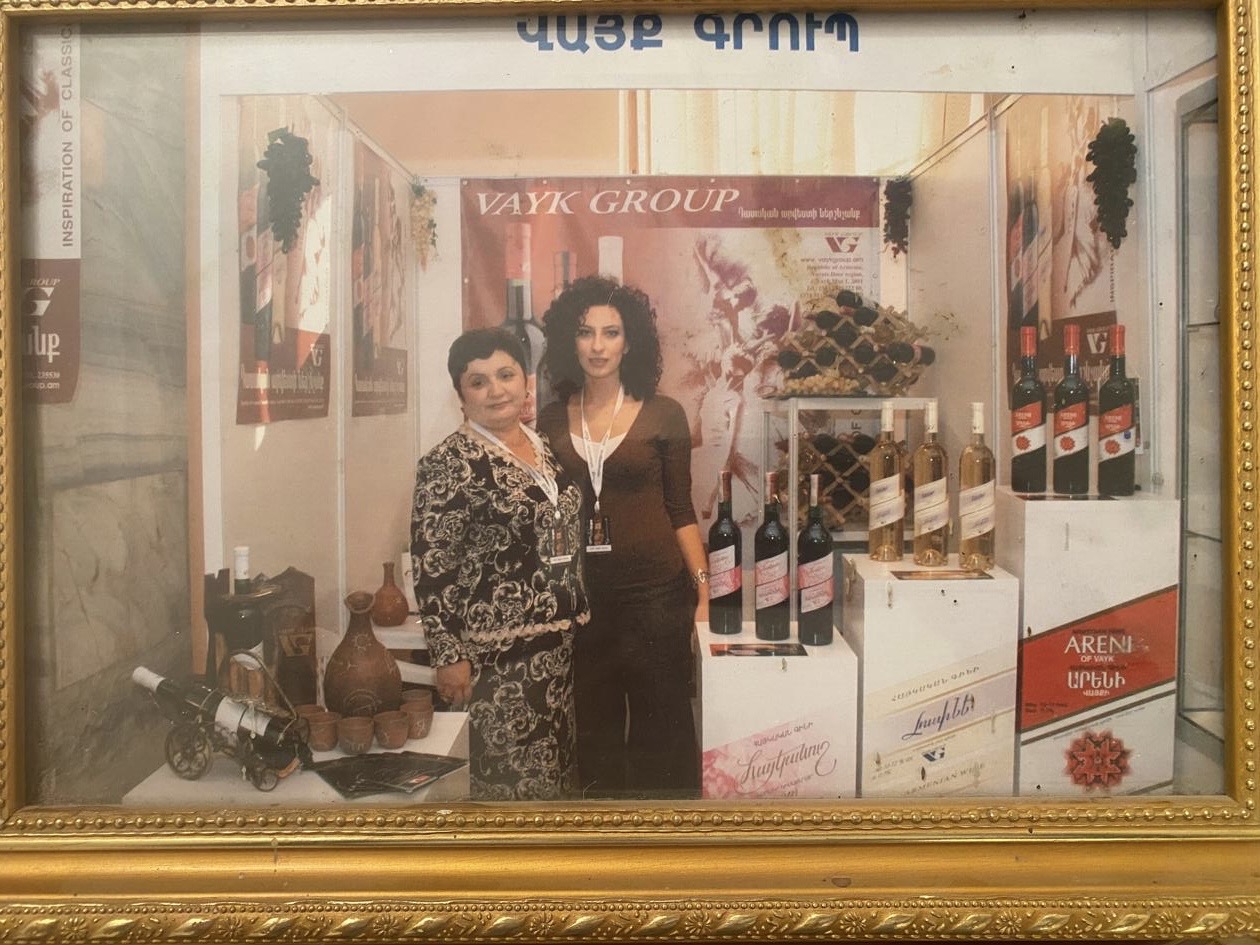
In a photograph from an exhibition in Yerevan, Hasmik, Ashot Zakaryan’s wife, stands behind our wines with Diana, a friend of their daughter. Beneath the bottles on the right, a red panel reads “Areni of Vayk.” Years before our family could pour that wine in Yerevan, Ashot had to find a way to bring water up a hill.
The vines on the left bank of the Arpa
Ashot grew up making wine with his father from grapes they grew beside the house in Vayk. Around 1989 or 1990, he spotted a few old vines near Zedea, on the left bank of the Arpa. Small black and white grapes still grew there. He wondered what else the hillside could grow if he could get water to it.
Stepan Stepanyan, a viticulture specialist, taught Ashot how to root Areni cuttings. A mechanical engineer by training, Ashot designed the irrigation system that carried water uphill to the vines. In 1996 our family planted its first vineyard. Ashot tells the story of those first plantings in his own words.
A cellar in Vayk, orchards all around
We established Vayk Group, our family company, on 3 March 2000. We finished the winery that year and made our first full vintage in 2001. There were orchards all around it. In 2009 the farm had 23 hectares of Areni and 46 of apricots. Some of the apricots went to market fresh, others to the drying house. Come autumn, the grapes went into the cellar.
In 2000, Ashot’s agricultural association, Berriutyun, took on a project to bring water to the fields of Khachik. On 23 August 2002, President Robert Kocharyan visited the association. The next morning, the Armenian newspaper Azg reported on its grapes, apricots, pomegranates and walnuts. What our family remembers from that day is the tree he planted in our vineyard.
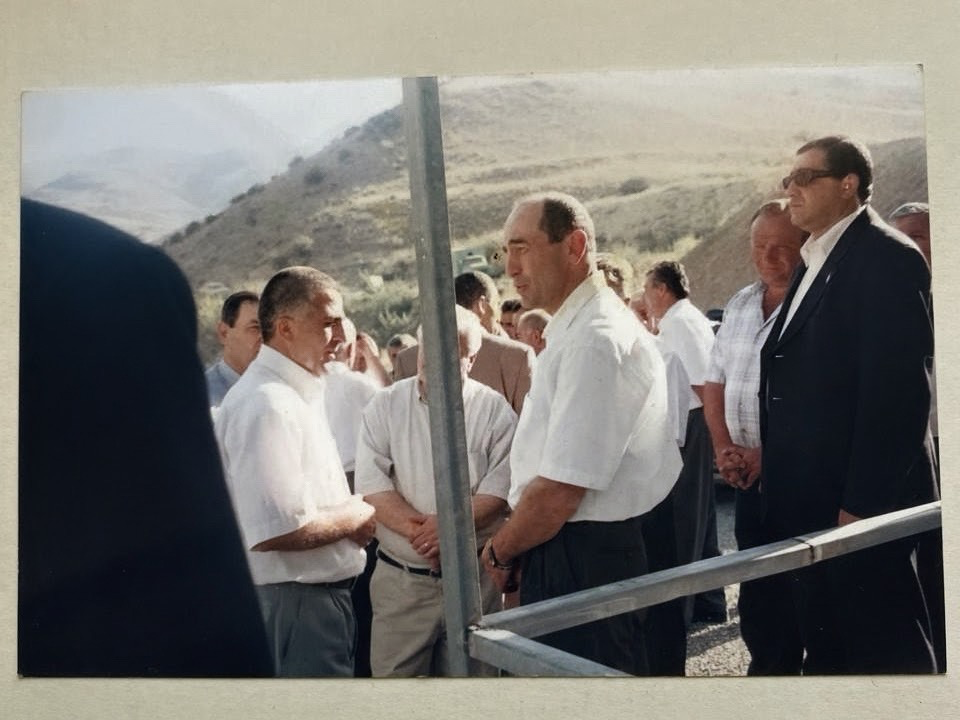
We remember three Armenian prime ministers who visited our vineyards over the years — Aram Sargsyan in April 2000, Andranik Margaryan in the winery’s early years, and Tigran Sargsyan in 2008.
Ashot had several vintages behind him when he went back to studying winemaking. In 2005 he took a 70-hour course on vine growing and winemaking in Glyfada, Greece. We still have his certificate. A few years later, the Center for Agribusiness and Rural Development helped equip our wine laboratory. At harvest today we taste the grapes and measure their acidity as we decide when to pick.
A winter visit to the cellar
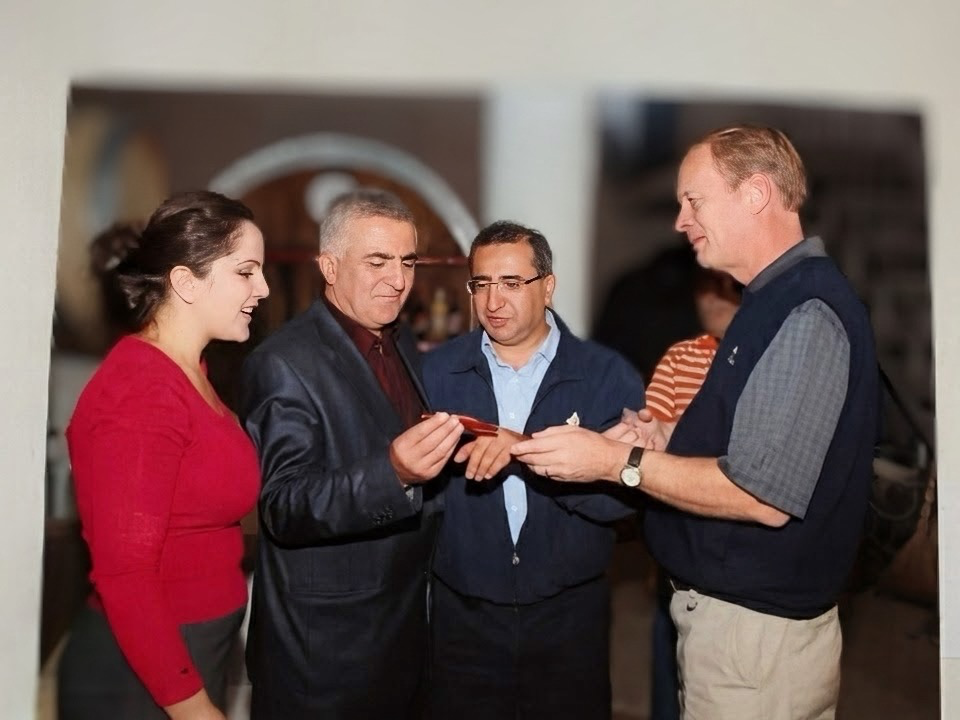
In a photograph from 15 February 2010, Ashot and his daughter Haykanush are looking at a small red case in his hand. That day Paul J. Strasberg of the U.S. Department of Agriculture visited our winery with Farm Credit Armenia. It was his first trip to Armenia, and Vayk was his last stop of the day. The cooperative’s account mentions the cellar and the drying house. It even lists the apples, plums, peaches and cherries that grew alongside our apricots.
Ashot had just been elected to the cooperative’s board. He served until 2014.
Armenian wine in Kuala Lumpur, Kharkiv and Shanghai
In July 2009 we exhibited at the Malaysia International Food & Beverage Trade Fair in Kuala Lumpur. In April 2010 we took our wines to Kharkiv, Ukraine, for an exhibition of Armenian producers. The Armenpress preview of the Kharkiv exhibition listed preserves and dried fruit alongside the wines. For a family that grew apricots as well as Areni, it was familiar company.
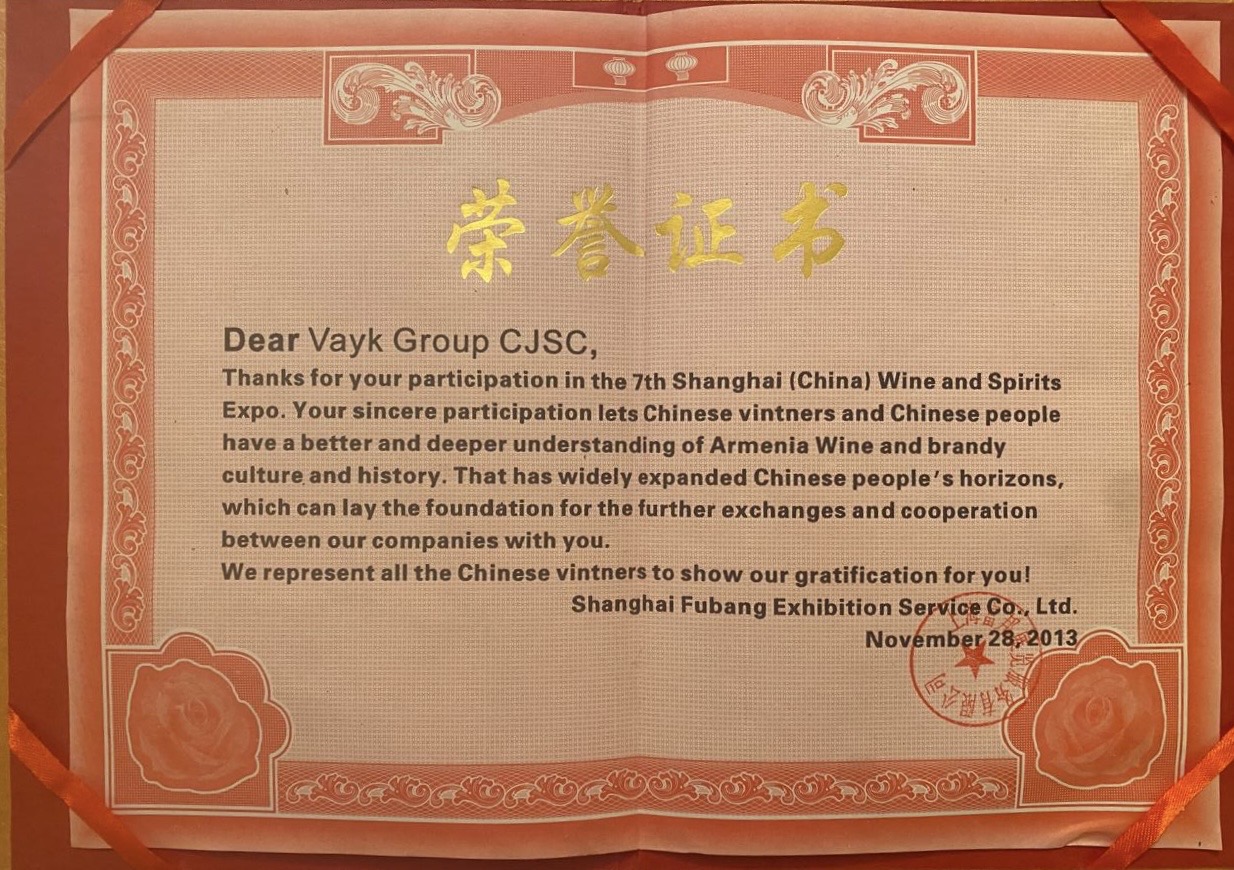
In November 2013 we presented our wines at the seventh Shanghai Wine and Spirits Expo. We kept the organizer’s letter thanking Vayk Group for introducing visitors to Armenian wine and brandy. Years later, in 2021, the journalist Tatul Hakobyan joined our family for dinner. As he later recalled, he had bought a bottle of Zakaré before we had ever met.
Areni Noir, from red wine to rosé
Ashot’s son David joined him at the winery in 2014. Like his father, David trained as an engineer. Today we farm about 44 hectares of producing vineyards in Vayots Dzor, at roughly 1,350 to 1,550 metres. We still pick and sort by hand. Two Armenian grapes have a special place in our vineyards, the dark-skinned Areni Noir of our first plantings and the white Voskehat.
Today we make both red wine and rosé from the grape named on that Yerevan display. In our Zakaré Red Dry it tastes of cherry and pomegranate. In 2026 our Kars City Areni Rosé 2021 won a silver medal at the Concours Mondial de Bruxelles. The judges picked out peach, strawberry and acacia blossom in the rosé.

From the family album
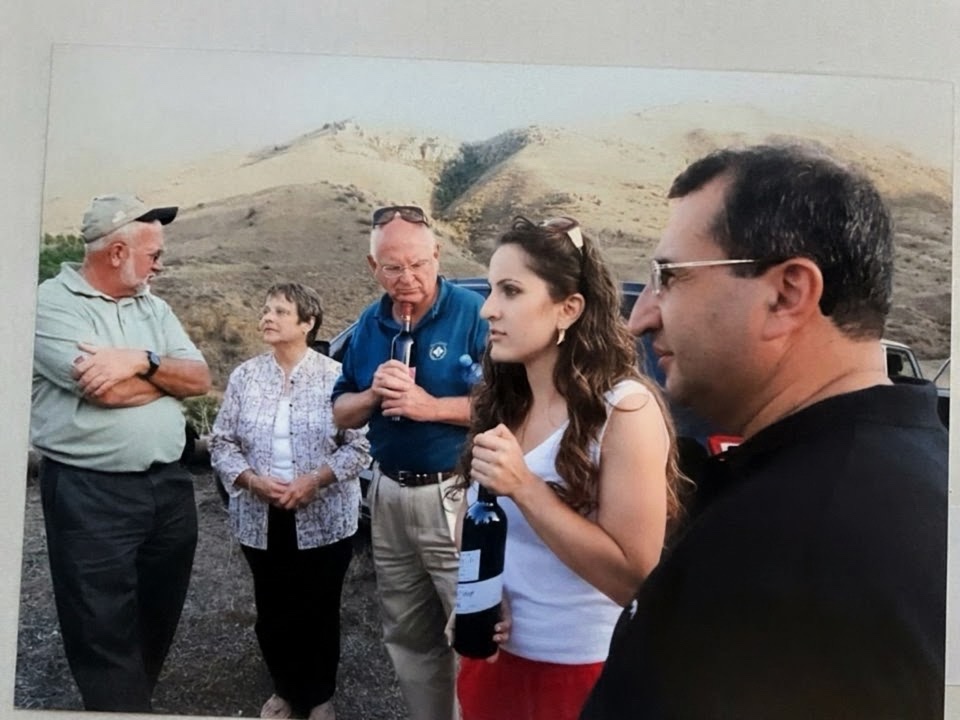
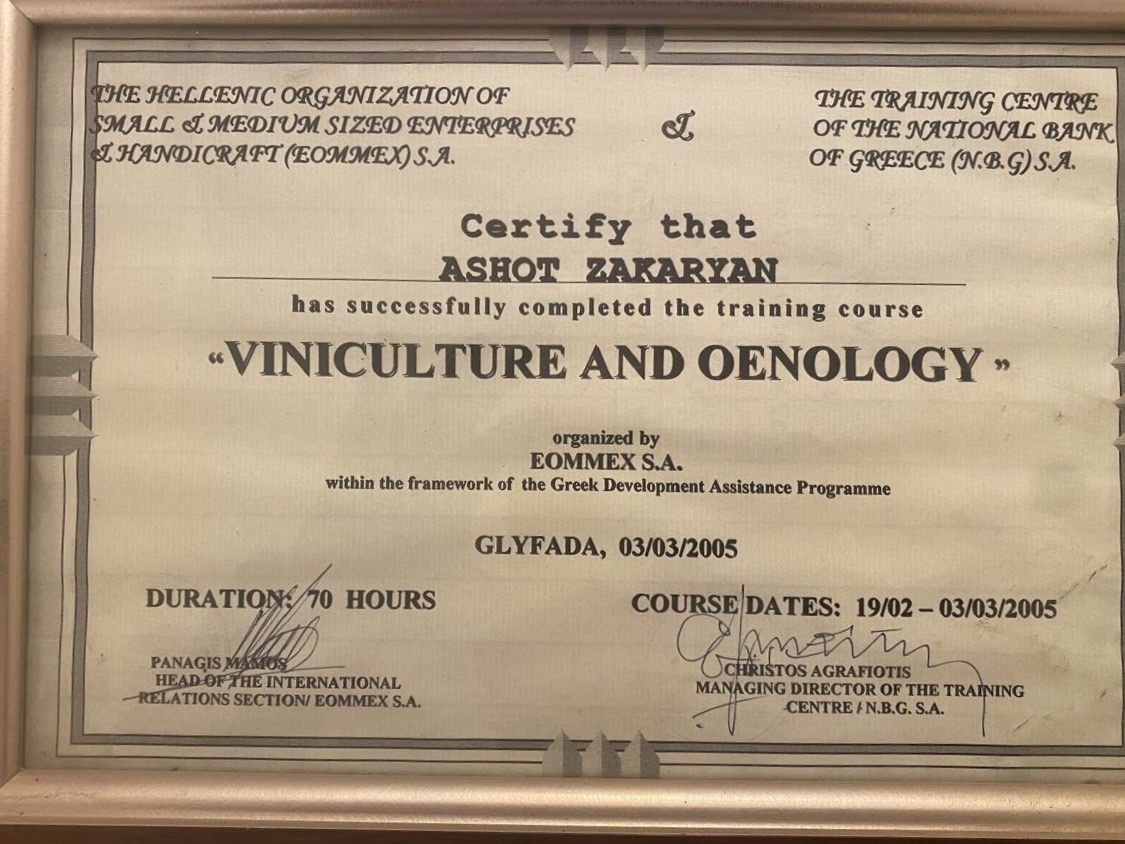
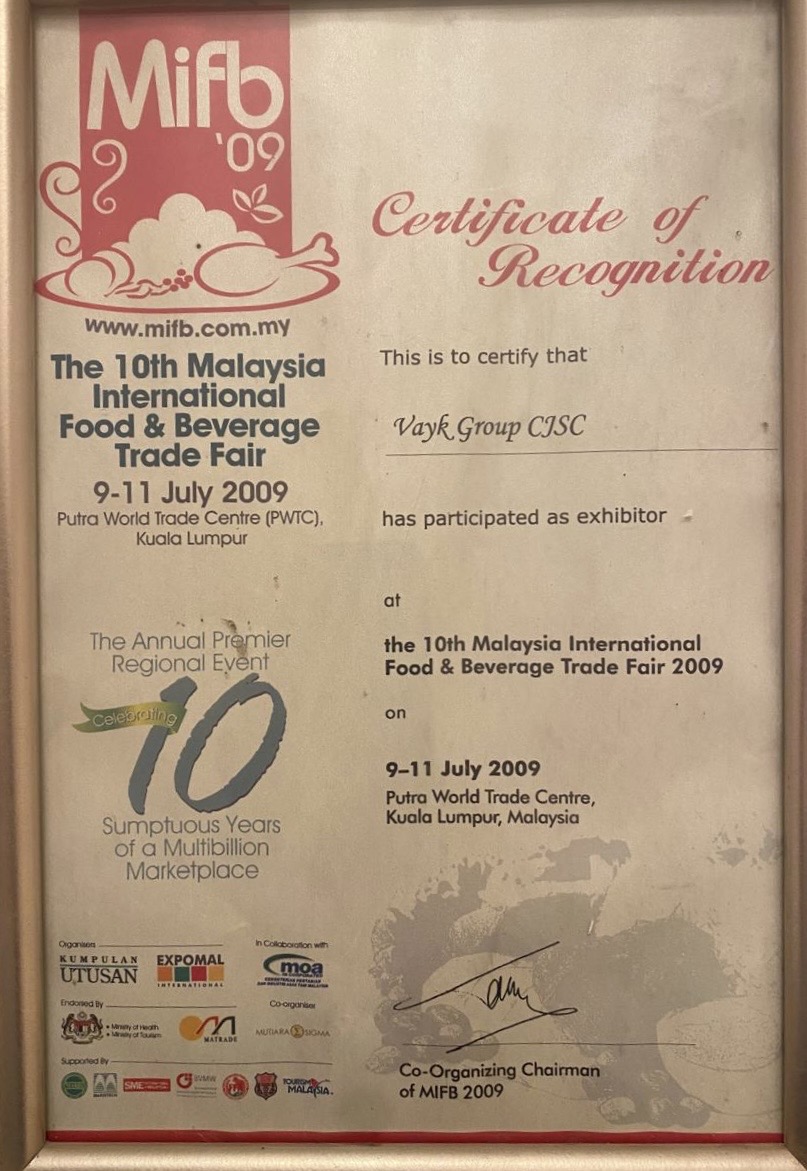
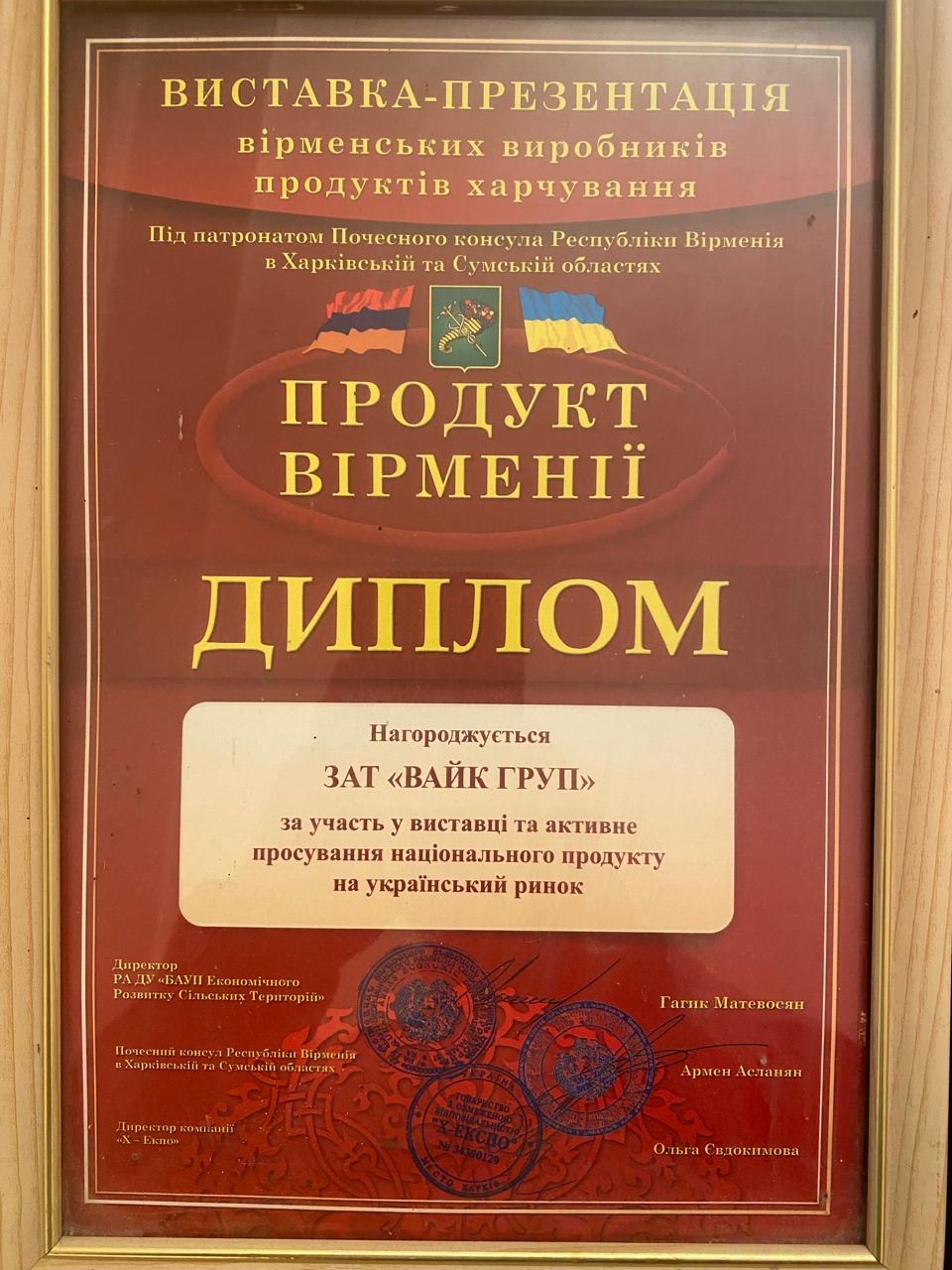
Visit our cellar in Vayots Dzor
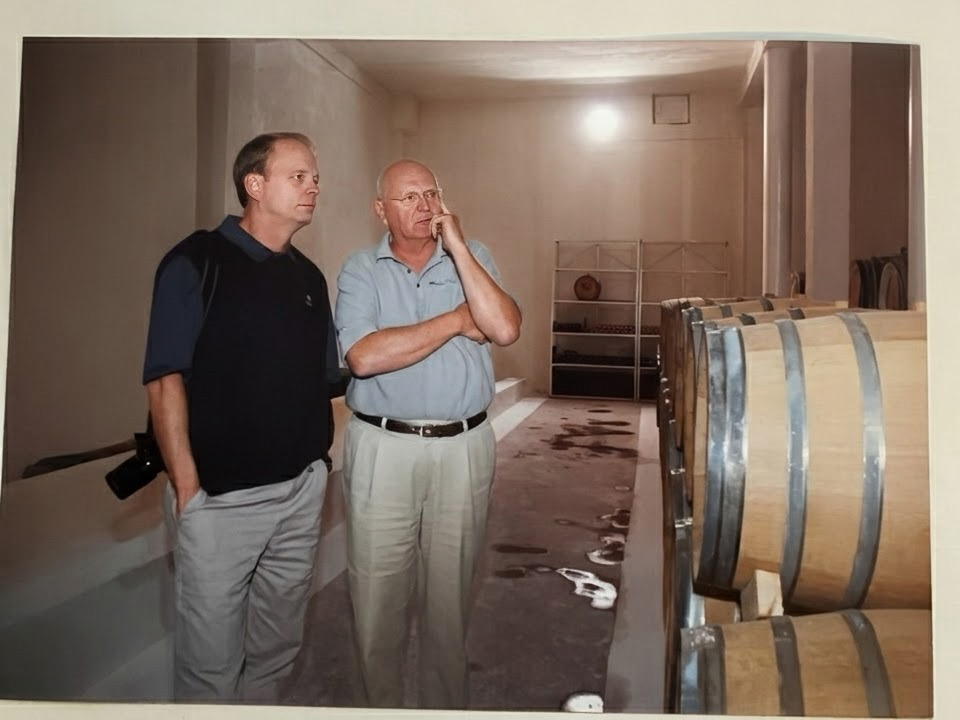
Our cellar is on the right bank of the Arpa, across the river from the vines that first caught Ashot’s eye. When you visit, we’ll show you the underground cellar, then pour the wines with dried fruit or cheese at the table. We welcome guests by appointment. Book a tasting at Vayk Winery.
Sources and reporting
The photographs and exhibition documents come from the Zakaryan family archive. Ashot’s account of the first plantings and our family’s recollections are part of that record.
A 2009 Armenian government profile of Vayk Group records the company’s founding and the acreage planted to grapes and apricots.
Armenpress, 23 August 2002, names Berriutyun on the president’s itinerary. The following day’s issue of Azg, front page, describes the farm.
Farm Credit Armenia reported on Paul J. Strasberg’s visit on 25 February 2010, ten days after he came to Vayk. Its May 2014 letter to members records Ashot’s board service. The Center for Agribusiness and Rural Development’s 2010–11 report, page 8, lists Vayk Group among the wineries that received laboratory equipment.
Armenpress, 21 April 2010, named Vayk among the wineries due to exhibit in Kharkiv. Tatul Hakobyan’s December 2021 travel essay recalls the Zakaré he bought before meeting our family. The 2026 Concours Mondial de Bruxelles results give the rosé’s vintage, medal and tasting note.